

Creepy, Cozy, and Bloody Brilliant

David Echevarría
Writer, So Many Games
The main difference between horror and terror is simple. Horror is about the seen, the blood, the jump scares. Terror is the unseen, the things that go bump in the night, and the ever-present, ever-drawing-in sense of dread. A good example from the silver screen is the difference between Alien and Aliens: Alien is “Oh god, where is it?”; Aliens is “Oh god, they’re everywhere!”
Most horror games blend the two together well. They usually start with terror and gradually introduce horror as the plot progresses. Alien: Isolation is the perfect example of feeding terror through the unknown whereabouts of the alien while also delivering the horror when it finally catches up with you. Whether you are crawling through the air ducts of a space station which has descended into chaos or roundhouse kicking zombies like Leon S. Kennedy (the S stands for Suplex) in Resident Evil Requiem, at some point, you will be pausing the game and hugging yourself, waiting for your heart rate to slow.
But does it have to be that way? What if a game sticks mostly with terror or only lightly touches horror while keeping the player in a setting of safety and security? Enter cozy horror, stage left. This style of horror is subtle and intimate. Players are drawn in by comfort first, and the unease grows from the choices they make and the spaces they inhabit. It is personal rather than universal, and the dread emerges naturally from the systems and routines the player has already learned to trust.
I Don’t Care About the Space Station
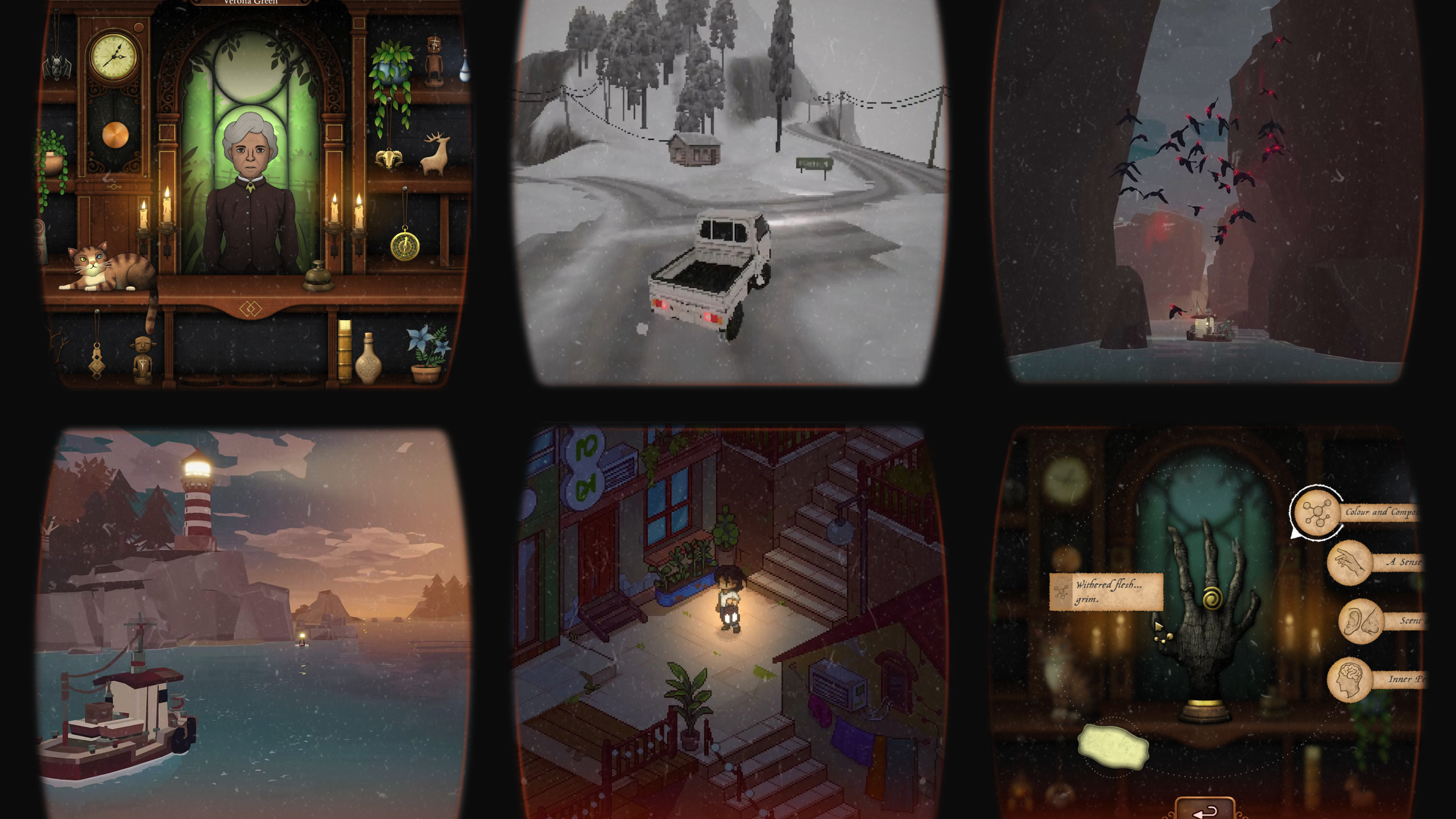
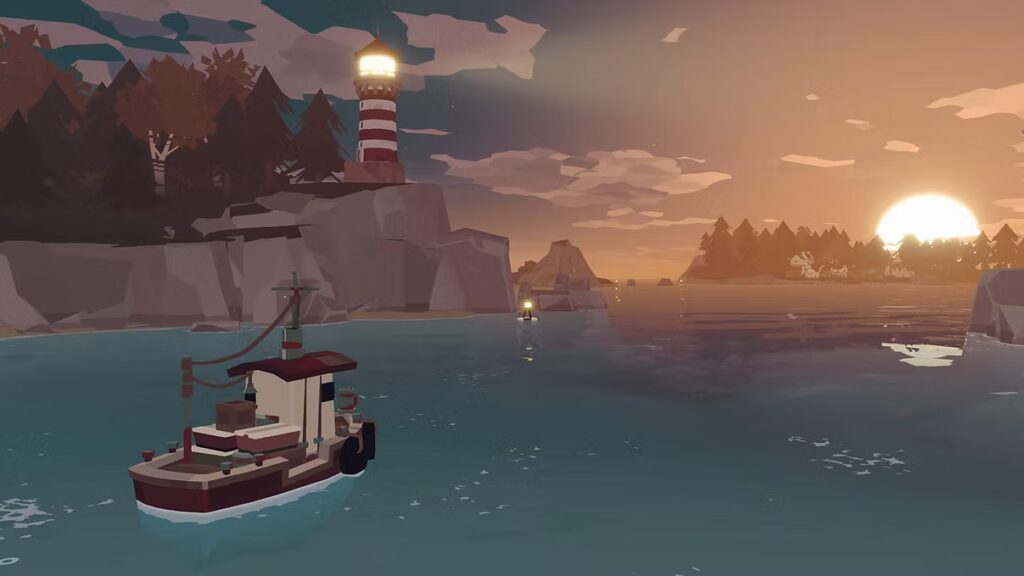
Cozy horror usually begins somewhere safe, like the shop in Strange Antiquities or a familiar boat, like in Dredge. Players are given simple tasks that quickly become predictable, such as identifying objects, managing inventory, or maintaining the setting. Completing them provides immediate, satisfying feedback and establishes a rhythm to rely on. Visual and audio cues, such as a creaking deck or a flickering candle, help anchor the player in the environment.
These spaces are small and contained, and that scale matters. A single shop, a small boat on a foggy harbour, or a graveyard you might find yourself managing are places you inhabit and shape. Games across the genre use this intimacy in different ways. Book of Hours puts you in charge of an occult library. The Excavation of Hob’s Barrow builds tension through point-and-click exploration of a rural village, and Easy Delivery Co. casts you as a cat delivering packages. In Strange Antiquities, you never leave the shop, but you still personalise it through notes and the way you organise the artefacts.
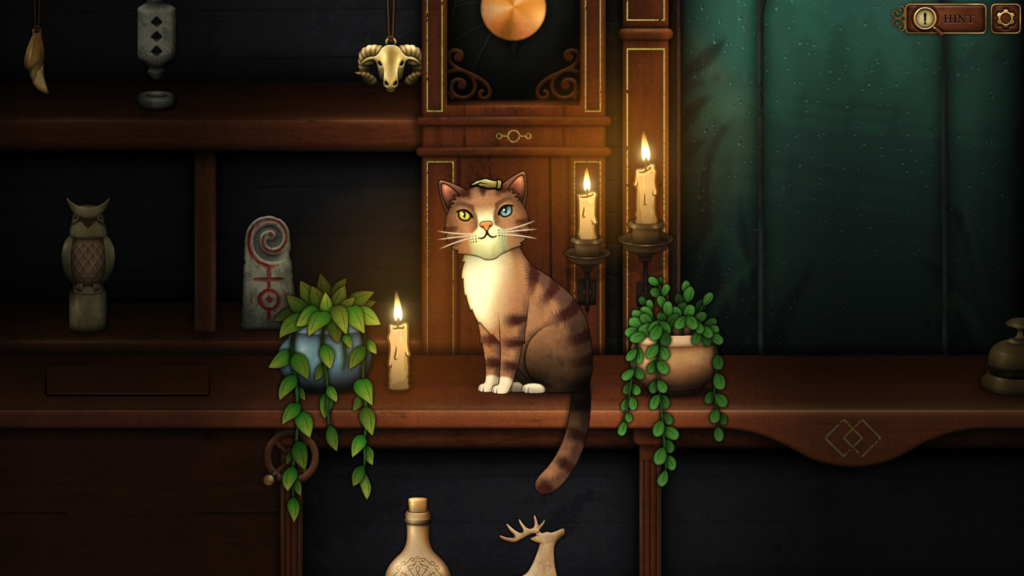
As you settle into these systems and spaces, even small deviations stand out. The dread does not come from jump scares and chaos but from subtle changes in expectation. In Dredge, strange creatures might appear in the fog, or unusual Collector requests hint at something more sinister lurking beneath the water. Because you have learned the routine, these anomalies feel significant. Once you have connected to the setting, disruptions or sudden changes feel personal and resonate far more than any quick jump scare. In Alien: Isolation, I don’t really care what happens to the space station so long as I’m not on it. In Strange Antiquities, if someone disturbs my cat, there will be… consequences.
The Longer the Note, The More Dread Builds
Now that you’ve settled into the game, the gentle push into something more horror-themed starts to feel less gentle. It all starts mounting up, slowly but surely. In Strange Antiquities, artefacts and townspeople reveal subtle connections over time, turning a once-safe shop into a space of quiet unease. In Graveyard Keeper, humour and daily chores mask darker undertones until they begin to surface in the gaps between tasks.
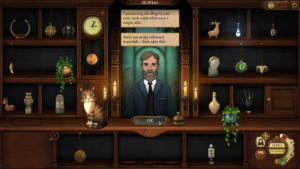
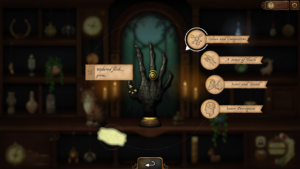
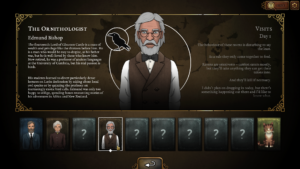
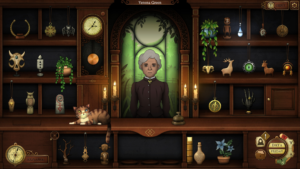
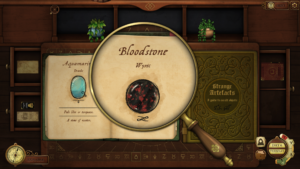
This slow burn encourages you to pay attention. Consequences begin to take on weight as you start to feel like curiosity will kill the cat, and the requirement to investigate becomes a source of tension rather than comfort. Because the horror grows out of spaces and systems you already trust, every small disruption lands with more force. A sound you have heard a hundred times suddenly feels wrong. The world has not changed much, but the tone has shifted, and you feel it immediately.
That is one of the great features of cozy horror games: dread is not forced on you; it builds slowly, like the long organ swells you would hear from the soundtrack of Interstellar. The longer the note, the more the dread builds.
When The Horror is Not Meant to Scare You
On the other hand, and equally brilliantly, some cozy horror games are not trying to frighten the player at all. They use the imagery and language of horror, but the emotional experience stays gentle. The world might be full of ghosts, strange artefacts, or unsettling mysteries, but the tone remains warm enough that players who avoid traditional horror can still enjoy the atmosphere.
Nostalgia plays a big part in this, too. Games like Easy Delivery Co. lean into a PS1-style aesthetic that feels familiar and harmless, even when something odd is happening in the background. The low-poly models and simple controls echo the adventure games many players grew up with. That sense of recognition creates a buffer. You know the world looks strange, but it is the kind of strange you feel safe exploring.
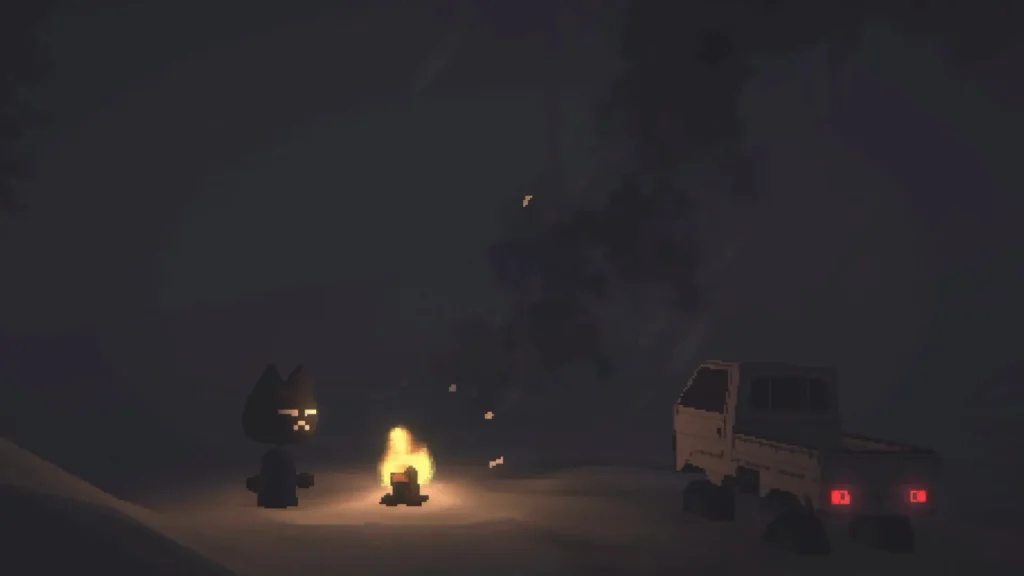
The Darkside Detective works similarly. It is full of supernatural cases and occult mishaps, but the pixel art and dry humour make you think of games like Monkey Island, and that softens every shadow. The ghosts and demons are more interested in bantering with you than scaring you. The game invites you to enjoy the trappings of horror without ever feeling threatened by them, and the retro point-and-click structure makes the whole experience feel like a comfortable throwback rather than a descent into danger.
This approach allows players to enjoy the narrative and the set pieces without the constant dread that defines more intense horror. You can wander through a haunted house or investigate a suspicious neighbour without worrying that the game is about to scare you for it. The horror becomes a texture rather than a threat. It adds flavour to the world instead of dominating it.
For players who want the intrigue of horror without the stress, this is the ideal balance. It offers the charm of a cozy game and the curiosity of a darker setting, all wrapped in a well-loved aesthetic. The result is a horror that invites you in rather than pushing you away, and that makes the experience feel more welcoming than frightening.
Why Indie Developers are Feeding This Trend
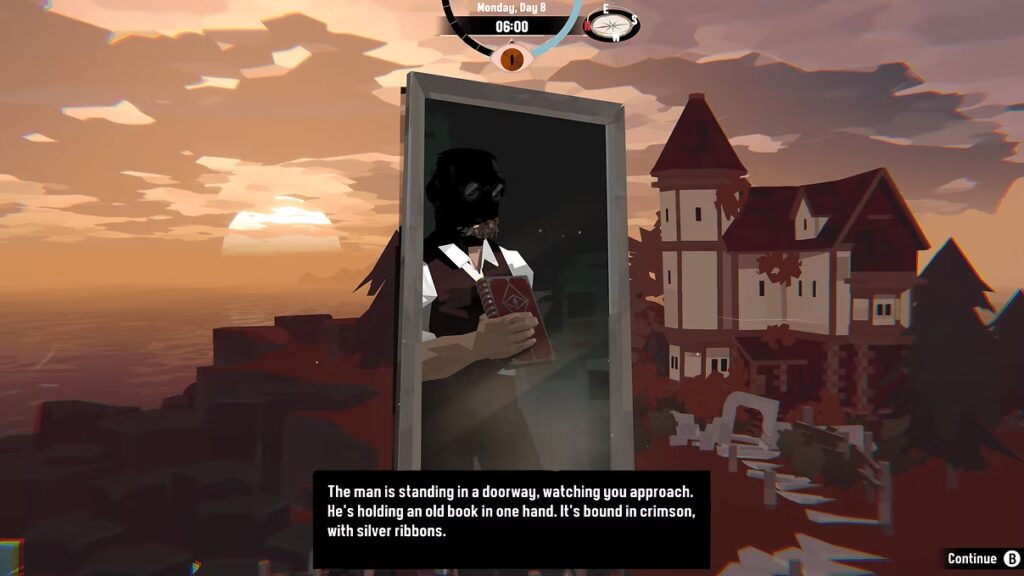
Indie studios are particularly well-suited to this kind of design. Small teams can experiment with slow, repetitive loops that would not resonate as well in a AAA game, not that it never happens: Alan Wake had moments of calm tinged with unease, and Until Dawn certainly has the concept of “a place that should be safe isn’t”, but these games very quickly shift into full-on horror and do not let the concept sit for long. Indie developers have the freedom to take on tasks that might sound mundane on their own, like fishing, cataloguing, grave maintenance, or other small managerial tasks, but combined with subtle narrative cues, they create tension.
This approach also allows for experimentation with tone. Cozy horror is often infused with humour, curiosity, or charm, which makes the horror all the more effective when it emerges. It is the contrast between comfort and unease that gives these indie games their impact.
Another advantage is accessibility. Because the horror is slow and based on understanding systems rather than training reflexes, the games can appeal to players who might otherwise avoid traditional horror. They are tense without being punishing. They are creepy without being exhausting. This combination of accessibility, tone, and subtle design allows players to experience emotional stakes safely. Minor narrative cues and environmental details take on meaning, and even small disruptions feel weighty.
The Power of Cozy Horror
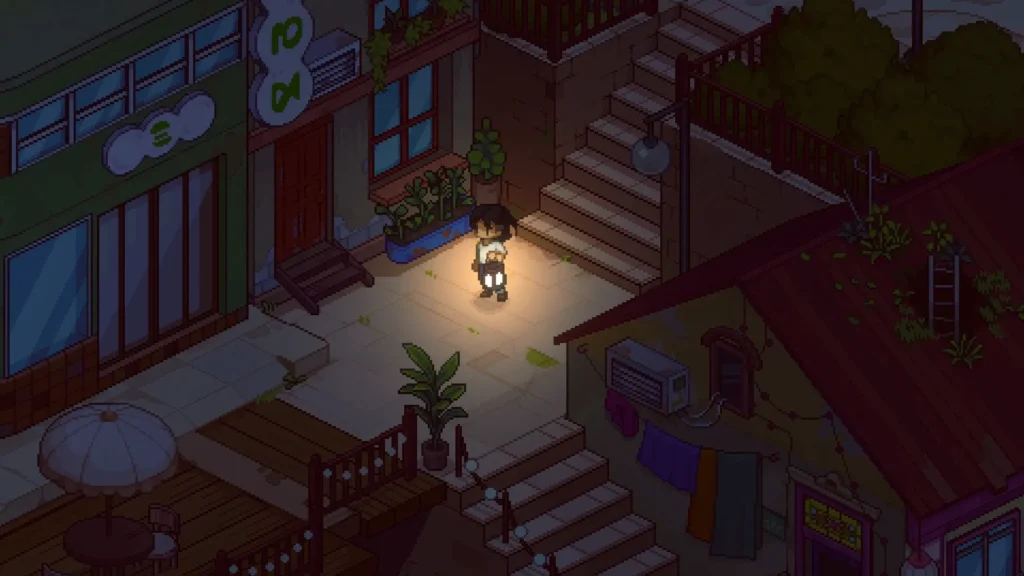
The appeal of this style lies in the fact that players don’t just watch the horror unfold. They live alongside it. They settle into the same rhythms the game asks of them, and when those rhythms falter, the unease feels earned rather than imposed.
Cozy horror is built on trust and seeing that trust be violated. It begins with routine, with small spaces you come to know by heart, and with a slow, steady rise in tension. These games show that fear does not need to be relentless to stay with you. Sometimes the most effective horror is the insidious kind that lingers with you for some time.
Or sometimes it’s a really fun, genuinely cozy game that gives you hints of horror but keeps the bedroom lights on.
About the Author
A journalist with experience across the field, from producing and hosting radio shows and podcasts to reporting news across the UK, David is a storyteller who often finds himself lost in a good game. Drawn to sci-fi, horror, and RPGs, he can usually be found with a controller in hand or having an existential crisis over a TTRPG character sheet.
About So Many Games
So Many Games is an online gaming publication featuring reviews and articles from a passionate team of writers. In addition to the articles found on their site, they also publish a biweekly newsletter filled with exclusive content and a roundup of articles and upcoming game releases. You can also check out the So Many Games podcast for even more thoughtful game discussions and developer interviews.
Check out So Many Games on the following platforms:
About No Small Games
No Small Games is an indie game recap and review podcast brought to you by hosts Kate and Emily! They became friends while streaming on Twitch and bonded over their love of indie video games. In each episode of No Small Games, the two will discuss an indie game they both played independently. They’ll compare their experiences: the good, the bad, their most memorable moments of their playthroughs.
Learn more about the podcast and its hosts on the About page. You can find all our episodes here on the Episodes page, or listen on Spotify, Apple Podcasts, or wherever you get your podcasts.