


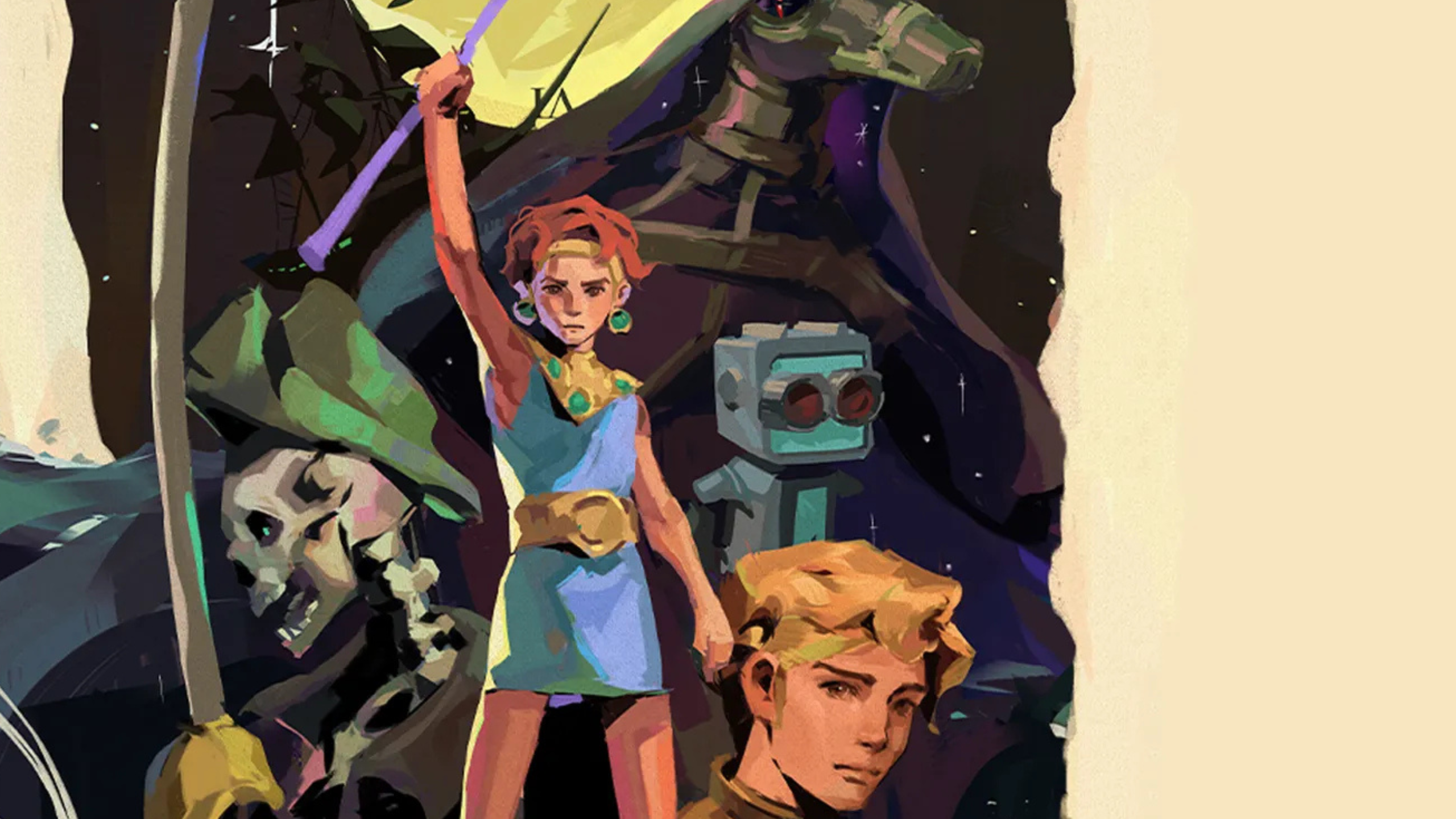
The Remake of the End of the Greatest RPG of All Time Review
What is the greatest RPG of all time? And, more importantly, who gets to decide that?

Every year there has to be at least one game that tests me to my very core as I try to remember its complete, correct title. I don’t think I have to wait until December to confidently name The Remake of the End of the Greatest RPG of All Time (or is it “Ever Made”?) as the winner of that prize. It’s begging to be abbreviated but I think we can all agree that TRotEotGRoAT does not hit as an acronym. While the name will continue to elude me time and time again, ever since rolling credits, the game has given me a lot to chew on mentally. But let me go back and start from the beginning.
The Remake of the End of the Greatest RPG of All Time is a retro-inspired JRPG from Coin Drop Games, Lucas Immanuel, jucobee, and Kyle Chuang, and it is in fact neither a JRPG nor a remake. It is, however, a narrative-driven investigation puzzle game clearly inspired by classic indie titles like Tunic and Inscryption. The game kicks off (or rather, wraps up) as you guide a band of rag-tag heroes through the final encounters of the most epic RPG known to man. How could you possibly know all the secrets and strategies to defeat the final boss of a game you’ve only just picked up, you ask? This is where the Tunic influences come in, as you’ll find and gather annotated pages of the game’s handbook throughout the world, featuring notes that hint at what you’ll need to do in order to overcome these obstacles.
The Remake of the End of the Greatest RPG of All Time in Action
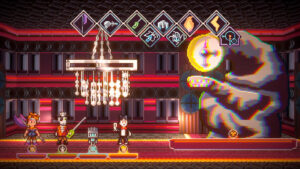
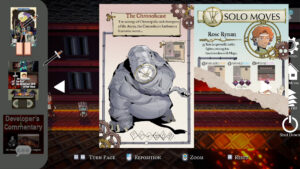
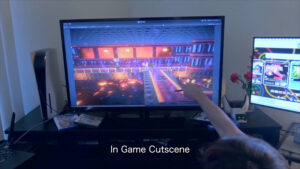
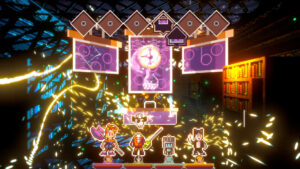
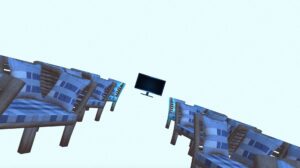
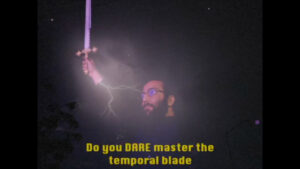
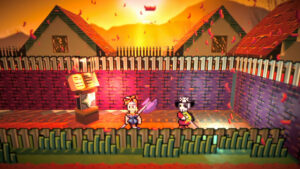
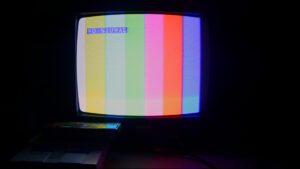
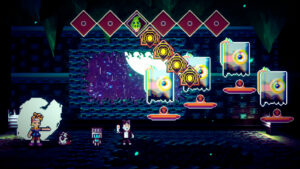
In addition to these game guide pages and the occasional notebook scrap, you’ll also encounter hotspots that trigger director’s commentary audio clips and collect video files from an unreleased documentary chronicling the development of the game by two game design students. FMV seems to be experiencing a bit of a renaissance in 2026, with games like Forbidden Solitaire, Don’t Stop, Girlypop!, and Pony Island 2 (if that ever does come out), and plays a prominent role here in the form of these documentary clips. While they provide an interesting window into the true narrative of the game, there were moments where they started to drag on and the campyness of the acting started to wear on me a bit.
As I stumbled my way through this grand finale, picking up hints just in time for me to use them in combat or to solve puzzles embedded in the walls of the Red Castle, I soon discovered that I was receiving hints to something much deeper than the trick to beating the game’s antagonist. I also discovered that hints and clues could be discovered anywhere and everywhere, often in plain sight.
I ultimately found uncovering the clues to be a more satisfying experience than actually solving the puzzles themselves. […] Realizing I had seen a key piece of information in one of the supplemental materials felt exciting, and I came away from those moments feeling proud of my observational skills.
This may sound counterintuitive, but I ultimately found uncovering the clues to be a more satisfying experience than actually solving the puzzles themselves. Some might consider those experiences to be one and the same, but they felt tangibly distinct to me. Realizing I had seen a key piece of information in one of the supplemental materials felt exciting, and I came away from those moments feeling proud of my observational skills. But often times it felt painfully obvious that the game was feeding me clues to a specific puzzle, even though the metanarrative of the game seemed to think it was being very sly about it.
There was a particular moment of commentary that led me to believe I should start writing some of my observations down in a notebook, which I did. In the end, though, I only wrote down about three or four different clues and didn’t really need to reference my notes to solve any of the puzzles. I do think that will come as a relief to many players who feel less enticed than I do at the idea of grabbing their notebook for a puzzle game. I also think this speaks volumes to the quality of the menu and interface design, which offers a convenient way to pull up the guidebook pages and multimedia clips, even while in combat.
The Remake of the End of the Greatest RPG of All Time Trailer
More so than the multimodal puzzle solving, for me it’s the questions that the game’s narrative poses that continue to percolate in my mind. According to the Steam store page for The Remake of the End of the Greatest RPG of All Time, the game asks players to ponder: “what is the greatest RPG of all time?” Again, the game’s self-description leads with a touch of misdirection. Underneath a twisting parable about conflict and creative differences in game development, its creators explore a much more interesting set of questions. It asks us: who truly owns a game’s memory? Who keeps and manages its legacy? Who are the arbiters of its quality and canon? It’s a story that pits nostalgia against creativity, players against game devs, and gamers against Gamers.
In an online landscape where discourse around games often feels hostile and heightened to an exaggerated degree, I think that these are questions that we could all benefit from considering. Although I wouldn’t rank The Remake of the End of the Greatest RPG of All Time among the greatest puzzle games of all time, it is a good game that makes some great points about how we think about, talk about and make great games.
Get to the point, girl
Emily’s Score: 7.5/10
Emily was provided with a review key of The Remake of the End of the Greatest RPG of All Time by Plan of Attack
About No Small Games
No Small Games is an indie game recap and review podcast brought to you by hosts Kate and Emily! They became friends while streaming on Twitch and bonded over their love of indie video games. In each episode of No Small Games, the two will discuss an indie game they both played independently. They’ll compare their experiences: the good, the bad, their most memorable moments of their playthroughs.
Learn more about the podcast and its hosts on the About page.