


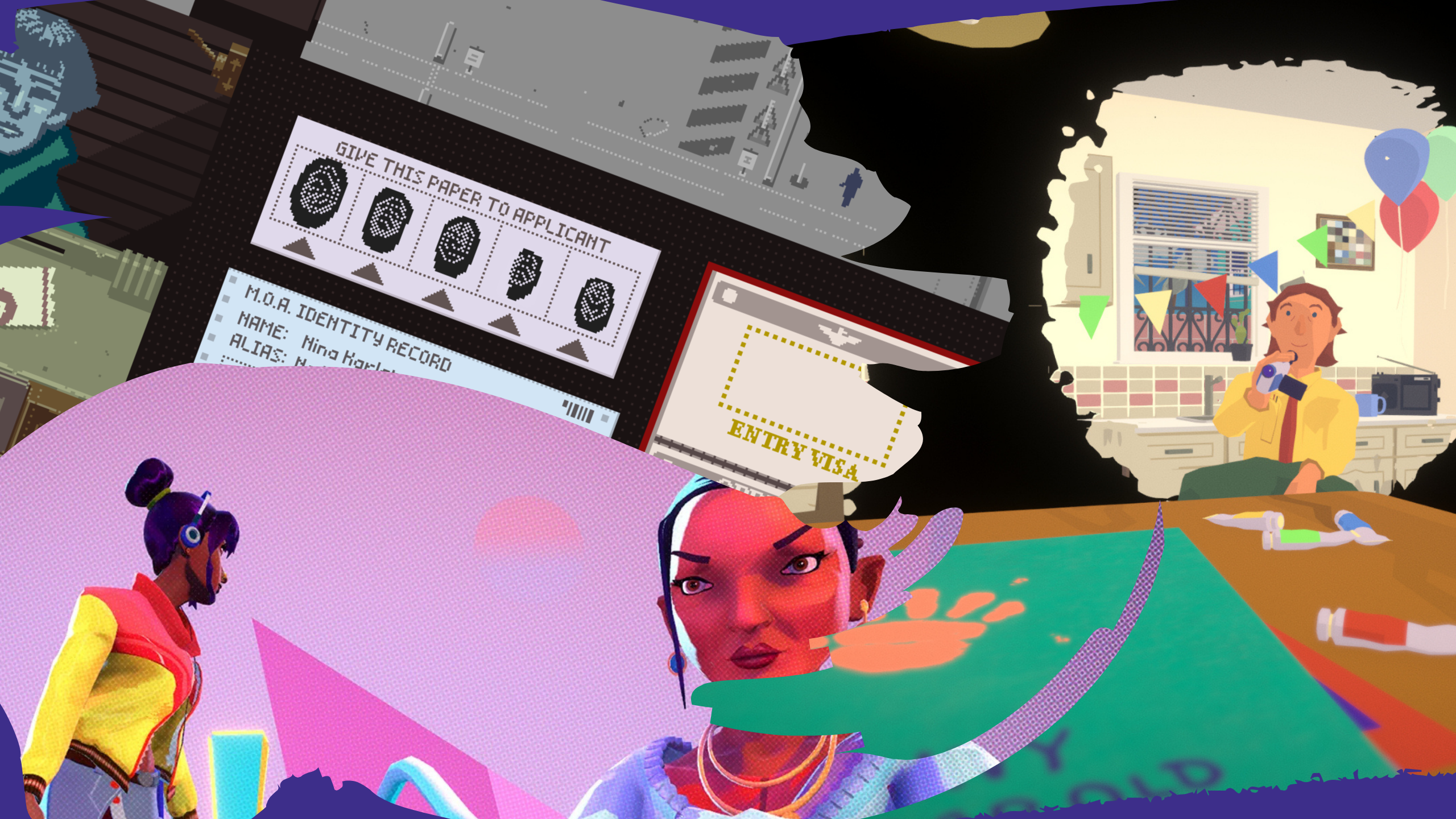
Echoes of Another: How Gaming Creates Empathy

Erik Lunde
Writer, So Many Games
It is the first day of school. Your teacher, new to Maycomb, discovers you can already read and write proficiently but scolds you for knowing so much at your age. Furthermore, the same teacher tries to give one of your classmates some lunch money that you know he will not accept, and when you intervene to tell her why, she chastises you again out of her embarrassment. When you return home later that day, you tell your dad that you don’t want to go to school anymore. It’s not a fair place. He looks you in the eye, puts a hand on your shoulder, and with warmth in his voice, he says, “If you can learn a simple trick, Scout, you’ll get along a lot better with all kinds of folks. You never really understand a person until you consider things from his point of view—until you climb into his skin and walk around in it.”
This is, of course, a timeless scene from Harper Lee’s coming-of-age masterpiece, To Kill A Mockingbird. The words Atticus says to his daughter in this moment will make a deep impression on her identity, one that will shape her into an empathetic person, able to connect with others despite drastically different life circumstances. Throughout the remainder of the novel, Scout puts the pieces together as to why her neighbours are the way they are, but more than that, she learns to respect and appreciate the way they see the world.
So what has this got to do with video games? Sure, it is a fine quote from a fine book, but this essay is not about the life lessons we can learn from novels (of which there are plenty). Rather, I think this line from Atticus Finch is, perhaps ironically, the best argument for how video games can uniquely teach us empathy. While other art forms can help us walk around in someone else’s shoes, or perhaps even see the world through their eyes, none come as close as video games to giving us an experience in the skin of another. To become someone else entirely, via interactive art, is a pathway in the long journey to becoming a more compassionate person. The goal of this essay is to provide examples of how video games lay the empathetic groundwork that leads to this compassion.
The best catalyst for empathy, I would argue, is proximity. You cannot empathise effectively with someone you keep at arm’s length. Thus, it is no wonder why video games make the perfect artistic canvas for ideological proximity. In these interactive worlds, we inhabit someone else’s point of view, embodying a character that is not “us” and yet is “us” at the same time. Novelist Mohsin Hamid perhaps captured this duality best when he said that “Empathy is about finding echoes of another person in yourself.” Though he was not explicitly talking about games, the player-protagonist relationship is nonetheless rife with parallel experiences.
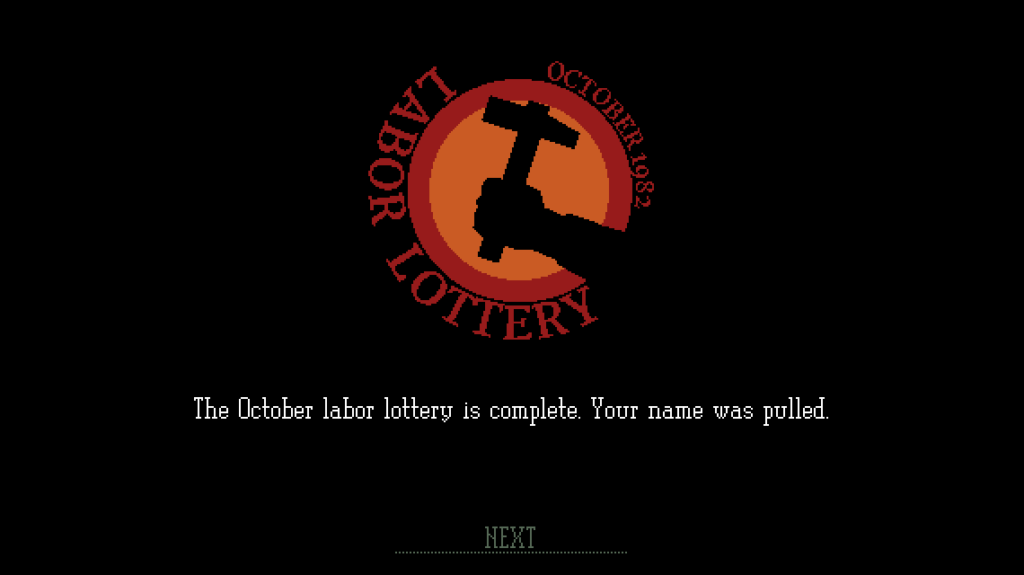
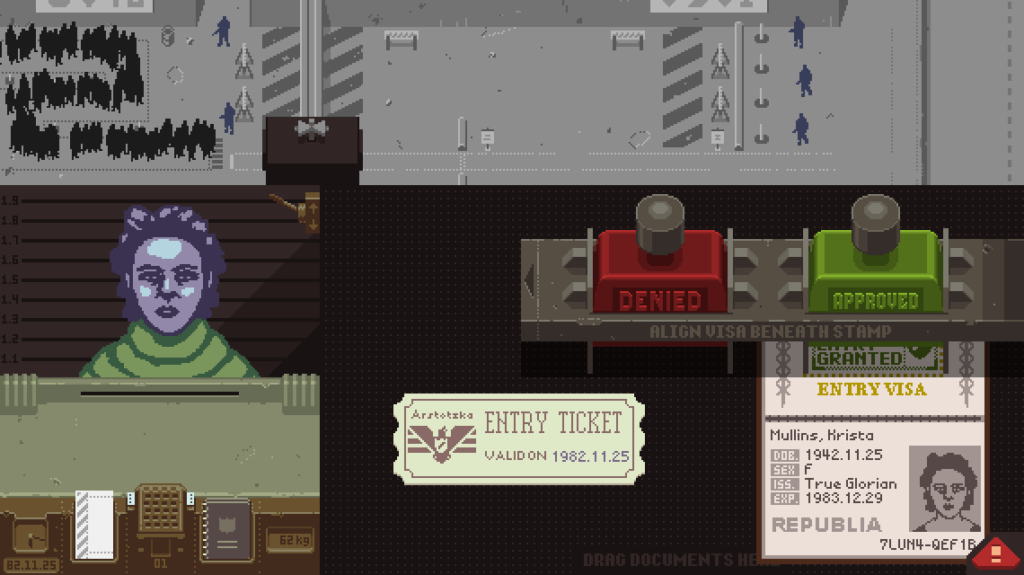
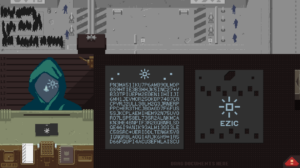
One video game that beautifully demonstrates the value of proximity is Papers, Please. The game is a dystopian document thriller where you play as a border patrol agent managing an immigration queue. You will rub shoulders with all sorts of people in this game, each with their own customs, language, and personality that you must decipher and use to make a case for their entry into Arstotzka or against it. In a tiny, dismal immigration office you learn to show kindness to imminent strangers because it is the only hope they have. The genius of the game is that there are so many moral grey areas woven into every decision. Most of the foreigners are in dire straits, and as you learn more about their affairs, the game will prod at your responsibility to help, for better or for worse.
Sometimes opening the gate is how a family is united after years apart; other times it is how a bomb gets inside the walls. Papers, Please shows us that proximity to someone different than you, even criminals, has the fascinating effect of humanising them. This is not to excuse bad behaviour, of course, but rather to say that that simple act of being closer to someone else helps you to understand the details of what makes them tick, mechanisms you may very well have in common. Games have the power to pull us close enough to touch the inherent, immutable value of every person.




Another way that video games build empathy in players is a phenomenon that psychologists call cognitive dissonance resolution. This principle suggests that people seek consistency between their actions and their beliefs, so much so that they are naturally motivated to alter one or the other if they find them incongruent. Thus, when someone plays a video game, they are predisposed to align their own beliefs with those of the character they play so as to avoid the discomfort of believing one thing but doing the other.
Take, for example, the game Before Your Eyes. In this game, you play as a child named Benjamin, telling his story to the ferryman of the afterlife, hoping his life will be deemed worthy enough for entry into the gates of heaven. As you move from scene to scene in Benjamin’s life in the blink of an eye (quite literally), you discover that Benjamin is not telling the whole truth to the ferryman, placing you squarely in the mires of cognitive dissonance. Everything you did as Benjamin seemed to suggest he was a good guy with a lot going for him, yet you begin to see the cracks in that facade. What do you do with that tension of being someone who is both endearing and conspiratorial?

The game asks you to sit in that tension during the second half of its plot, pulling on the tender strings of your intimate connection with Benjamin for a highly emotional payoff. This is a type of empathy you can only experience by becoming another person in a video game and resolving your cognitive dissonance in that act. You validate another person’s behaviour, beliefs, and ideas because you have done the work over the course of the game to make them your own. Players will by and large stand with the characters they have stood within.
When thinking about how video games generate empathy, there is one last method I want to explore. Games allow players to experience diversity that would not otherwise be possible. Perhaps it would be clear if I jumped right into my example for this one. I will never know firsthand what it is like to be a millennial, pansexual, South Asian-American woman with a strong matriarchal family. Yet the game, Thirsty Suitors, does help me imagine it.
In this game, you play as Jala, a young woman returning to her hometown for her sister’s wedding. There, Jala must confront disappointed family members and former romantic partners to reconcile relationships that she practically left for dead years earlier. In this process, Jala will come face to face with an abundantly diverse cast of characters representing different body types, sexual orientations, ethnicities, genders, and races. While I certainly have encountered this beautiful tapestry of people in my own life, I have never experienced a slice of their lives quite like I did in this game.
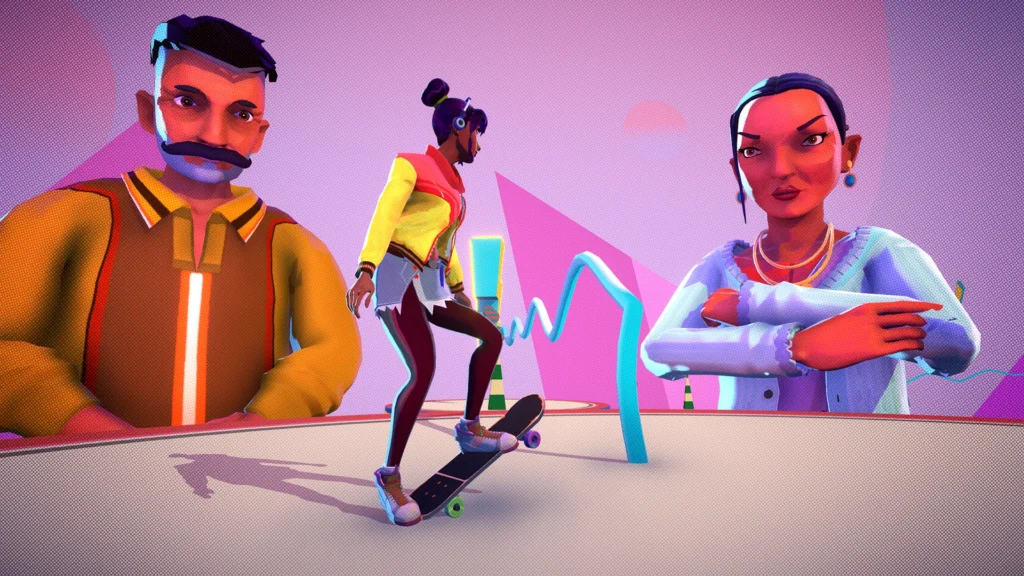
Thirsty Suitors put me right in the middle of a diverse community populated with cultures and identities that are not my own. In doing so, I began to understand the societal challenges, pressure, and expectations of growing up as a first generation American. This game allowed me to play through Jala’s experience with generational trauma, inferiority complex, and racial prejudice in a way that only games could achieve. While other art forms can help us sympathise with others from the outside looking in, video games uniquely help us empathise with folks as we exist on the inside of their experience in a simulated fashion.
As I wrap up this essay, I hope the games and experiences I shared cast some light on the way video games can make us more empathetic people. Yet, empathy is truly just the beginning of the path towards loving others well. Repeatedly exercising empathy, both in and outside of games, will nurture compassion in our lives: compassion for people who look, think, and behave differently than we do.
It was compassion that prompted us to open the gates of Arstotzka in Papers. Please, compassion that advocated for Benjamin’s destiny in Before Your Eyes, and compassion that nudged us to reconcile Jala’s relationships in Thirsty Suitors. By playing video games, may we become like Scout Finch, who climbed into the skin of others to see the world from their point of view and showed compassion to the marginalised when the world turned its shoulder. Our world could use a lot more Scout these days.
About the Author
Erik is a lifelong writer, designer, and gamer. He is the host of Pages of Play Podcast, a book club for gaming narratives. His podcast digs deep into story-driven games, in which he and his co-hosts answer book club-style discussion questions submitted by listeners. His aim is to bring a unique perspective to the gaming discourse, focused on application and reflection, to enrich the human experience. He lives with his wife and two kids in Chicago.

About So Many Games
So Many Games is an online gaming publication featuring reviews and articles from a passionate team of writers. In addition to the articles found on their site, they also publish a biweekly newsletter filled with exclusive content and a roundup of articles and upcoming game releases. You can also check out the So Many Games podcast for even more thoughtful game discussions and developer interviews.
Check out So Many Games on the following platforms:
About No Small Games
No Small Games is an indie game recap and review podcast brought to you by hosts Kate and Emily! They became friends while streaming on Twitch and bonded over their love of indie video games. In each episode of No Small Games, the two will discuss an indie game they both played independently. They’ll compare their experiences: the good, the bad, their most memorable moments of their playthroughs.
Learn more about the podcast and its hosts on the About page. You can find all our episodes here on the Episodes page, or listen on Spotify, Apple Podcasts, or wherever you get your podcasts.